
"tropical climate"
3000 article(s) found

How to brew Indian coffee? Indian coffee beans taste low-sour and mellow.
Professional coffee knowledge exchange more coffee bean information please follow Coffee Workshop (Wechat official account cafe_style) Front Street-Coffee in India is hot all over India, most of it is a tropical monsoon climate, while the Thar Desert in western India has a tropical desert climate. There is an obvious monsoon in summer and no monsoon in winter. The climate of India is divided into rainy season (June to October) and

Tropical fruit-flavored Panamanian coffee beans: a brief introduction to geographical location, climate and altitude
Balu is a young volcano with a rugged mountain, more than 3400 meters above sea level, and belongs to an active volcano. Due to the excessive temperature difference between morning and evening, the coffee of Alida Manor needs 5 years of care after sowing to usher in the first harvest. The waiting time for receipt is quite long (usually coffee in producing areas is only 3 years). Although the plant growth is slow, it is very helpful to the development of coffee flavor.

Chocolate Rhyme of El Salvador Mercedes Manor Coffee Flavor description characteristics of varieties
Topography El Salvador domestic topography to mountains, plateaus, multi-volcanic, known as the country of volcanoes, Santa Ana active volcano 2385 meters above sea level, for the country's highest peak; the north of the country for the Lompa River Valley, the south for the narrow coastal plain. Climatic characteristics the whole of El Salvador has a tropical climate, with an annual average temperature of 28 ℃; dry season from November to April and rainy season from May to October; coastal areas

Introduction of Guatemala Coffee Manor LaTisha Manor Guatemala Cloud Manor
Located in the tropics, there are many volcanoes in the territory, the northern and eastern coastal plains have a tropical rain forest climate, and the southern mountains have a subtropical climate. The year is divided into two dry and wet seasons, with the wet season from May to October and the dry season from November to April of the following year. The annual precipitation is 2000-3000 mm in the northeast and 500-1000 mm in the south. Forests account for half of the country's area and are the best latitude for coffee production.

Introduction to the description of the characteristics and flavor of Tanzanian coffee
The eastern coastal areas and inland lowlands of Tanzania have a savanna climate, while the western inland plateau has a tropical mountain climate, with an average temperature of 21-25 ℃ in most areas. More than 20 islands in Zanzibar have a tropical maritime climate, hot and humid all the year round, with an annual average temperature of 26 ℃. [6] rainfall types can be divided into bimodal distribution and unimodal distribution. Areas with double bee distribution of rainfall include
How to brew Indian coffee without curry Indian coffee beans taste low-sour and mellow
Professional coffee knowledge exchange more coffee bean information please follow Coffee Workshop (Wechat official account cafe_style) Front Street-Coffee in India is hot all over India, most of it is a tropical monsoon climate, while the Thar Desert in western India has a tropical desert climate. There is an obvious monsoon in summer and no monsoon in winter. The climate of India is divided into rainy season (June to October) and

Dominica coffee with excellent acidity and pleasant aroma. Introduction to fine coffee beans.
The earliest coffee in Dominica was introduced from Martinique (the overseas province of France), dating back to the early 18th century. Dominica is an island country with a tropical climate. The temperature changes little throughout the year. Except for the lower temperature in the Central Cordillera Mountains, which can reach less than 0 ℃ in winter, the annual average temperature in other areas is between 25 and 30 ℃, which is affected by the mountain topography.

The taste of Peruvian coffee is smooth and smooth. Introduction to the characteristics of fine coffee beans in the manor area.
The Andes runs from north to south, and the mountains account for 1% of the total area of the country. The whole territory is divided into three regions from west to east: the western coastal area is a long and narrow arid zone, a tropical desert, the climate is dry and mild, there are intermittent plains, irrigated agriculture is developed, and the urban population is concentrated; the central mountain plateau is mainly the middle part of the Andes, with an average elevation of about 4300 meters, the birthplace of the Amazon River in the east.

High-balanced Columbia exquisite boutique coffee bean cultivation geographical location, climate, altitude is simple.
The annual temperature there is about 18 degrees Celsius, the annual rainfall is 2000 to 3000 mm, latitude 1-11 15 north, longitude 72-78 west, the specific range can exceed 2.000 meters above sea level. By a special combination of factors, the latitude, altitude, soil, plant origin of species and varieties of coffee in the coffee growing areas of Colombia, the climate and tropics of the coffee growing areas

Fruit aroma of Ecuadorian Coffee Manor flavor and taste characteristics of boutique coffee beans
Ecuador is divided into the western coast, the central mountains, the eastern Amazon River basin and the four central regions of the Galapagos Islands, with diverse climatic conditions. The western coastal plain belongs to the tropical rain forest climate, with an average temperature of 23-25 ℃. The central Andes. The intermountain basin in this area belongs to the savanna climate, and the mountain belongs to the subtropical forest climate, with perennial snow above 4000 meters above sea level. Annual average decline

Introduction to the varieties of rich and refreshing Tanzania coffee beans produced by grinding scale and regional treatment
The eastern coastal areas and inland lowlands of Tanzania have a savanna climate, while the western inland plateau has a tropical mountain climate, with an average temperature of 21-25 ℃ in most areas. More than 20 islands in Zanzibar have a tropical maritime climate, hot and humid all the year round, with an annual average temperature of 26 ℃. Tanzania is rich in mineral resources. As of 2014, major minerals identified include gold, diamond, iron,

Grapefruit aroma of Tanzanian Coffee grindability characteristics Variety Baking record Price in Manor producing area
The eastern coastal areas and inland lowlands of Tanzania have a savanna climate, while the western inland plateau has a tropical mountain climate, with an average temperature of 21-25 ℃ in most areas. More than 20 islands in Zanzibar have a tropical maritime climate, which is hot and humid all the year round. The annual average temperature of 26 ℃ is divided into bimodal distribution and unimodal distribution. Areas with double bee distribution of rainfall include Victoria

Introduction to Rwandan Bourbon Boutique Coffee, History of Rwandan Coffee
Pay close attention to coffee comment (Weixin Official Accounts vdailycom ) and find a beautiful cafe to open its own small shop Rwanda is known as the country of thousands of hills. There are many mountains and plateaus throughout the territory. Most of the areas belong to tropical plateau climate and tropical grassland climate, which is mild and cool. There are approximately 33,000 hectares of coffee plantations and 500,000 people engaged in coffee farming. Good natural conditions of high altitude and fertile volcanic soil

The flavor of Salvadoran coffee with a smooth entrance describes the variety characteristics, quality, planting environment and brewing environment of the producing area.
El Salvador's domestic topography is mainly mountainous, plateau, volcanic, known as the country of volcanoes, Santa Ana active volcano 2385 meters above sea level, for the country's highest peak; the north of the country for the Lompa River Valley, the south for the narrow coastal plain El Salvador throughout the tropical climate, the annual average temperature of 28 ℃; November-April dry season, May-October rainy season; coastal and lowland climate hot and humid, mountainous

Taste of Guatemalan Coffee Flavor Manor area introduces Guatemalan boutique coffee beans
Guatemala is located in the tropics, the northern and eastern coastal plains have a tropical rain forest climate, the southern mountains have a subtropical climate, the year is divided into two dry and wet seasons, with the wet season from May to October and the dry season from November to April of the following year. The central plateau is also the cultural center of Guatemala, where temperatures are mild all year round at an altitude of 1300 to 1800 meters, with daily temperatures between 18 and 28 ℃, and higher in January

Medium alcohol Tanzanian coffee Flavor Taste Manor Features Fine coffee Introduction
Tanzania's eastern coastal areas and inland parts of the lowlands belong to the savanna climate, the western inland plateau belongs to the tropical mountain climate, most of the average temperature of 21-25℃. More than 20 islands of Zanzibar have a tropical maritime climate, hot and humid all year round, with an average annual temperature of 26℃. [6]Rainfall types are divided into bimodal distribution and unimodal distribution. Areas with bi-modal rainfall include
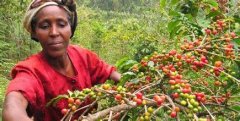
A brief introduction to the elegant aroma of Antigua coffee in Guatemala, geographical location, climate and altitude
Coffee was really introduced into Guatemala in 1750 by Father Jesuit, and the coffee industry was developed by German colonists at the end of the 19th century. Today, most of the coffee industry's production takes place in the south of the country. There are seven major coffee producing areas in Guatemala, and the flavor of the coffee produced in each area is different, but to sum up, the coffee in Guatemala is all

Coffee flavor and taste in Tanzania the characteristics of the manor producing area introduce the fine coffee beans of Kilimanjaro.
The eastern coastal areas and inland lowlands of Tanzania have a savanna climate, while the western inland plateau has a tropical mountain climate, with an average temperature of 21-25 ℃ in most areas. More than 20 islands in Zanzibar have a tropical maritime climate, hot and humid all the year round, with an annual average temperature of 26 ℃. The types of rainfall can be divided into bimodal distribution and unimodal distribution. The area with double bee distribution rainfall includes dimension.

Smooth and soft Tanzania Coffee Flavor description characteristics of Grinding degree introduction of varieties in producing areas
The eastern coastal areas and inland lowlands of Tanzania have a savanna climate, while the western inland plateau has a tropical mountain climate, with an average temperature of 21-25 ℃ in most areas. More than 20 islands in Zanzibar have a tropical maritime climate, which is hot and humid all the year round. The annual average temperature of 26 ℃ is divided into bimodal distribution and unimodal distribution. Areas with double bee distribution of rainfall include Victoria